
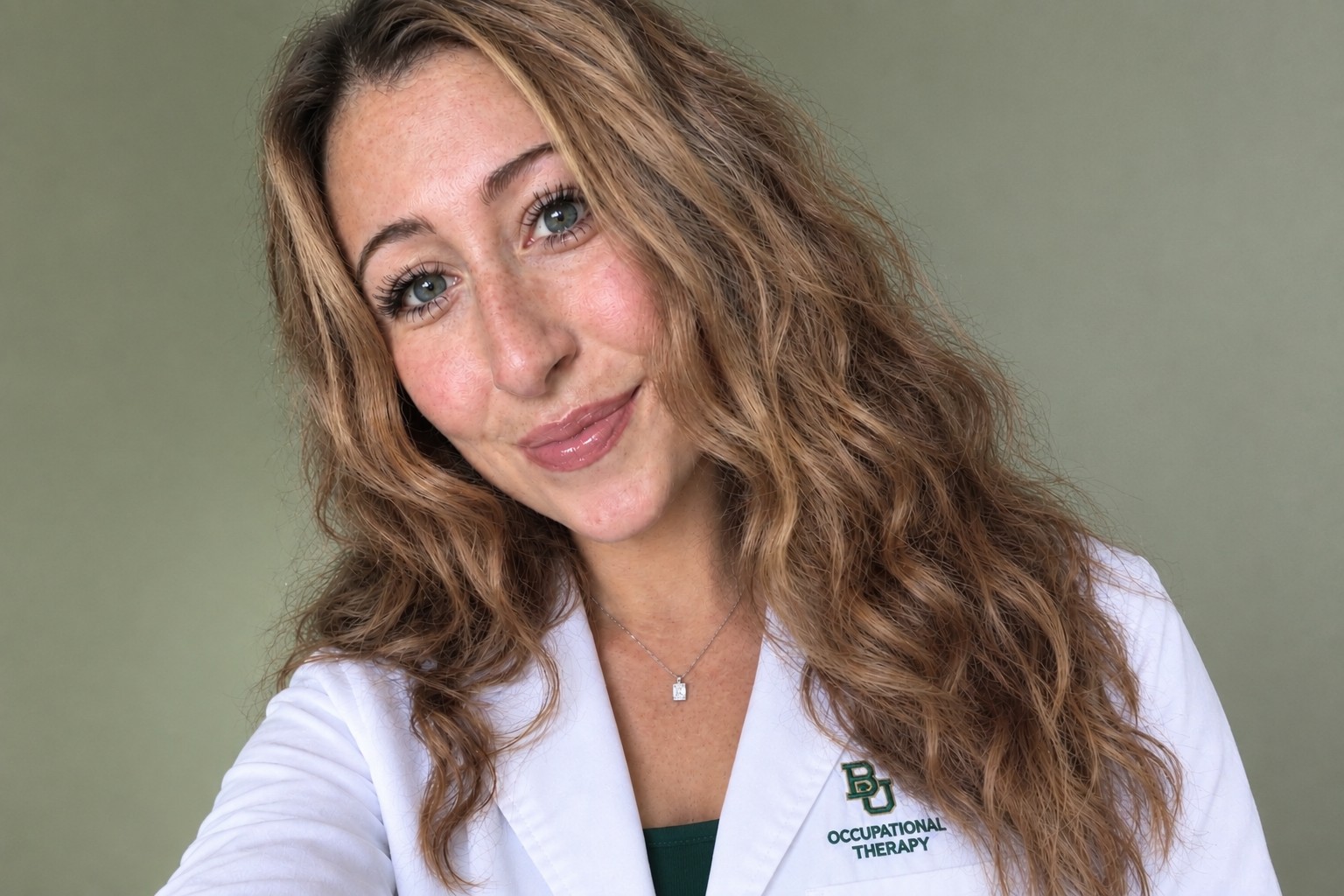
Just one year ago, Kelsey Carter arrived at Hillcrest Medical Center fighting for her life.
Today, she is celebrating the completion of her doctorate in occupational therapy and preparing to begin a career helping patients reclaim their independence, a journey made possible by her determination and the advanced critical care available through Oklahoma Heart Institute, part of Hillcrest HealthCare System.
Kelsey’s health crisis began after she was diagnosed with immune thrombocytopenia (ITP), a blood disorder that affects platelet counts. Treatment for the condition required immunosuppressive medications, which left her vulnerable to infection. She later developed pneumocystis jirovecii pneumonia (PJP), a rare and potentially life-threatening form of pneumonia that primarily affects immunocompromised individuals.
“I was sick for several weeks, but it eventually got to the point where I simply couldn’t breathe,” Carter said.
After an initial hospitalization and discharge on supplemental oxygen, her condition rapidly deteriorated. Just two weeks later, she was rushed by ambulance to the hospital with oxygen saturation levels in the 60s, a heart rate nearing 200 beats per minute and dangerously low blood pressure.
Within days, her lungs began to fail.
Doctors intubated Carter to obtain a lung sample and determine the cause of her illness. Less than 24 hours later, she required extracorporeal membrane oxygenation, or ECMO, a lifesaving therapy that temporarily takes over the work of the heart and lungs, allowing the body time to heal.
She was transferred to Oklahoma Heart Institute’s cardiovascular intensive care unit, where she would spend the next 39 days. Thirty-one of those days were on ECMO.
“When I woke up, I had lost so much strength that I couldn’t even hold my phone,” Carter said. “I had to relearn everything, sitting up, walking, taking care of myself. It was starting over from the ground up.”
The physical recovery was difficult, but the emotional recovery proved equally challenging.
“There were days when everyone kept telling me I was getting better, but all I could see was how much I had lost,” she said. “The nurses, physicians and therapists took time to check on my mental health, too. They listened, encouraged me and helped me keep moving forward.”
For Elizabeth Gillum, ECMO manager at Oklahoma Heart Institute during Carter’s stay, seeing her return after her recovery remains one of the most rewarding moments of her career.
“When Kelsey came back to visit, I didn’t recognize her at first,” Gillum recalled. “She walked in wearing scrubs, healthy and confident. Then she said, ‘I’m Kelsey.’ It was incredibly emotional. We don’t often get to see patients return after something this serious, and seeing her thriving was amazing.”
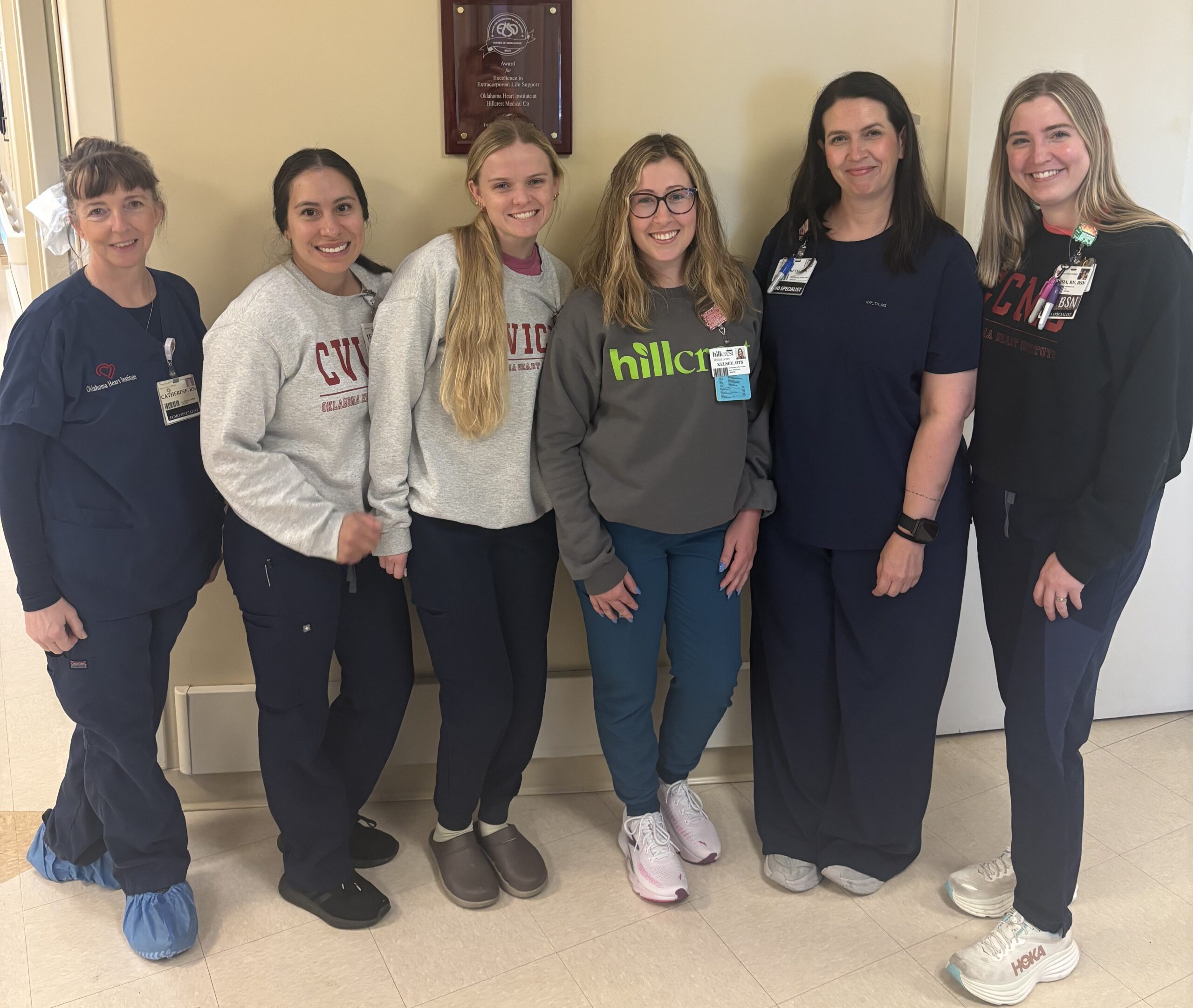
Gillum was part of the team that placed Carter on ECMO during the most critical stage of her illness.
“She was very sick,” Gillum said. “Without ECMO and the specialized care available here, she may not have survived. Cases like Kelsey’s remind us why this program is so important.”
Following her hospitalization, Carter completed inpatient rehabilitation and months of outpatient therapy. Along the way, she gained a new perspective on the profession she was studying.
“Experiencing recovery firsthand taught me empathy in a way nothing else could,” she said. “Now I understand what it’s like to depend on others and to celebrate small victories. That’s something I’ll carry with me when I’m caring for patients.”
Carter recently passed her occupational therapy board exams; completing her OT education and paving the way to a bright future ahead. She has plans to work in acute care or inpatient rehabilitation, helping others navigate challenges similar to those she faced herself.
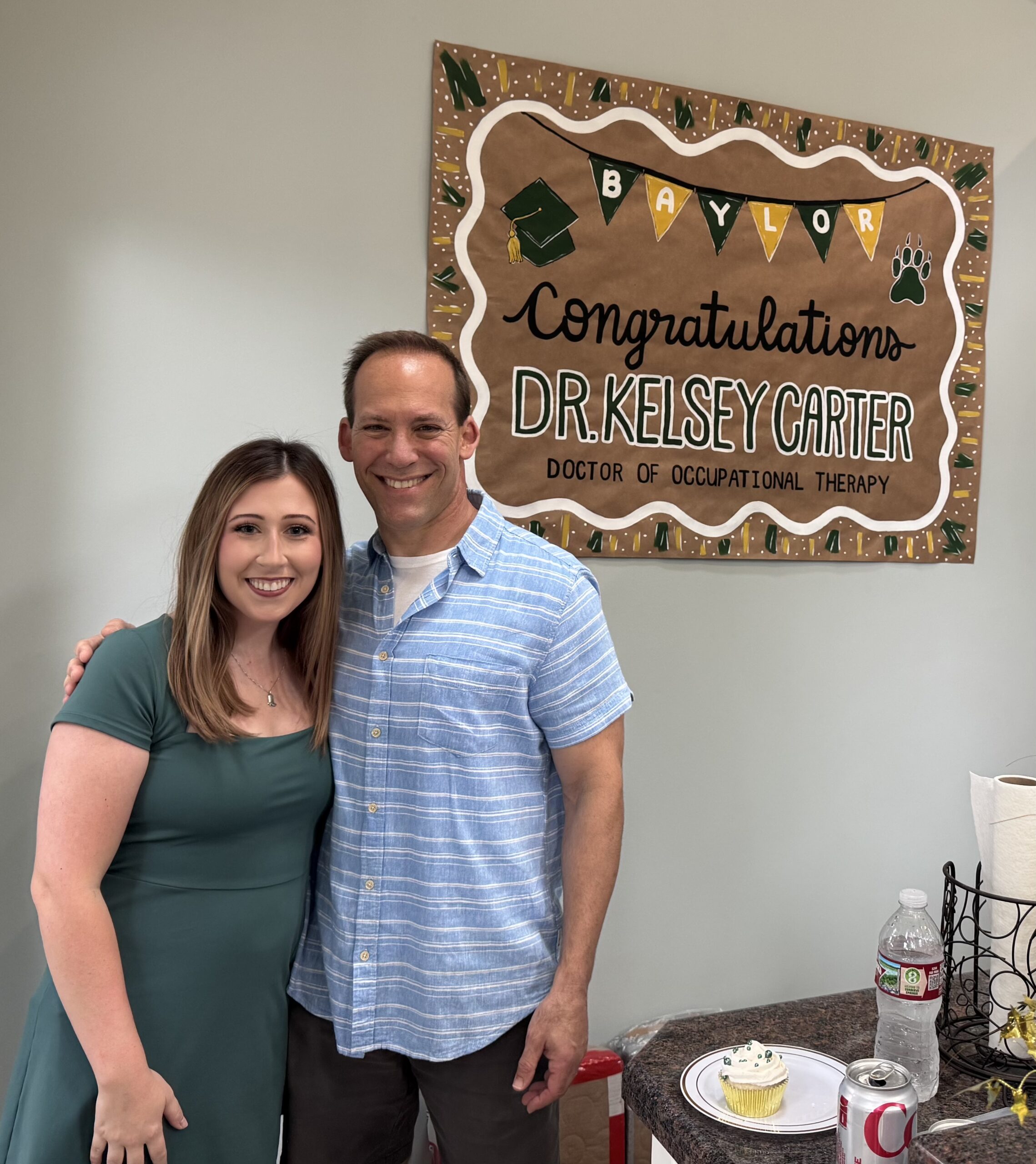
“I wouldn’t be here without this team,” she said.
For the caregivers at Oklahoma Heart Institute, however, Carter’s success is its own reward.
“Seeing her come back and knowing she’s going on to help other people,” Gillum said, “that’s why we do what we do.”